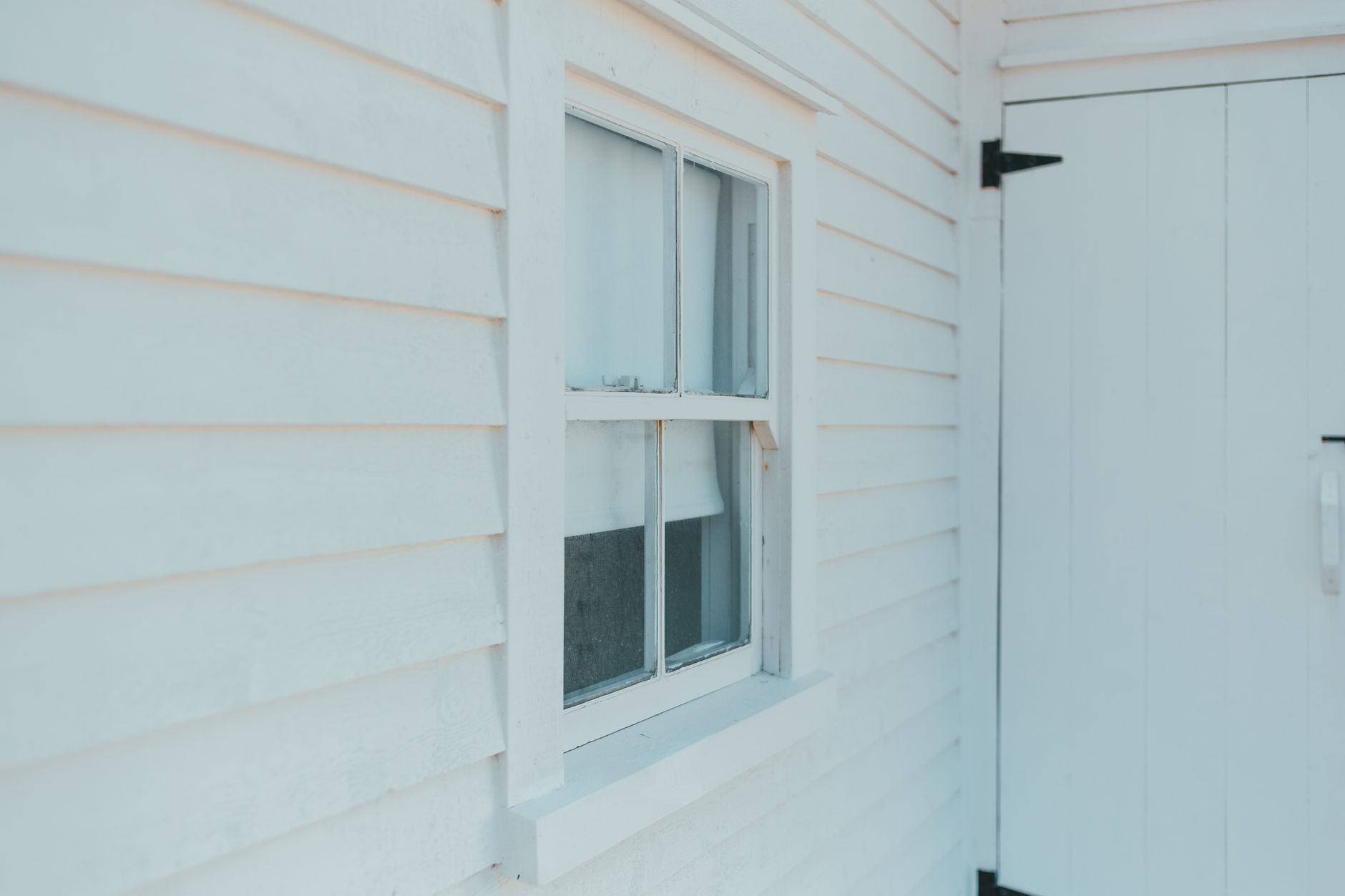
Understanding House Panel Siding
What is House Panel Siding?
House panel siding refers to large, flat sections of exterior cladding designed to protect and decorate the outer walls of a home. Unlike traditional horizontal lap siding, panel siding typically comes in broad sheets or panels that cover significant surface area, offering a sleek, uniform appearance. This style of siding can be made from a variety of materials and is chosen for both its aesthetic appeal and functional benefits.
Common Materials Used
Panel siding is available in several materials, each with distinct properties and looks. The most popular options include wood, vinyl, fiber cement, and metal. Wood offers natural beauty and warmth, vinyl is known for its low maintenance and affordability, fiber cement delivers durability and a wood-like appearance, while metal provides a modern, industrial edge with outstanding longevity.
Benefits of Using Panel Siding
Panel siding provides homeowners with a range of advantages. Its large panels mean fewer seams, which can reduce water infiltration and improve weather resistance. It also tends to install faster than traditional clapboard siding, saving on labor costs. Additionally, panel siding often enhances a home’s curb appeal by delivering a clean, contemporary look that can be customized with various textures and finishes.
Evaluating Different Types of Panel Siding Materials
Wood Panel Siding: Pros and Cons
Wood panel siding is prized for its natural charm and versatility. It can be painted or stained in numerous colors, allowing for personalized aesthetics. However, wood requires regular maintenance to prevent rot, insect damage, and weathering. It may also be more expensive upfront and less resistant to moisture compared to synthetic alternatives.
Vinyl Panel Siding: Durability and Maintenance
Vinyl panel siding is a popular choice for homeowners seeking an affordable, low-maintenance option. It resists fading, warping, and cracking, and can withstand a variety of weather conditions. Cleaning is simple, typically requiring only a hose-down with water. On the downside, vinyl can be prone to impact damage and does not offer the same upscale look as natural materials.
Fiber Cement Panels: Strength and Appearance
Fiber cement panels combine durability with aesthetic flexibility. Made from a blend of cement, sand, and cellulose fibers, they resist fire, pests, and moisture effectively. These panels can mimic the look of wood or stucco and maintain their appearance over the long term with minimal upkeep. Installation tends to be more labor-intensive, but the long-lasting benefits often outweigh this drawback.
Metal Panel Siding: Modern Appeal and Longevity
Metal siding, often made of aluminum or steel, offers a sleek, modern look that suits contemporary architectural styles. It is extremely durable, resistant to pests and fire, and can last for decades with proper care. Metal siding can be prone to denting and requires specialized tools for installation, but its longevity and clean lines make it a premium choice.
Key Factors to Consider When Choosing Panel Siding
Climate and Weather Resistance
Your local climate plays a crucial role in selecting the right panel siding. For example, fiber cement and metal panels perform well in harsh weather, including heavy rain and snow, while vinyl may be less suited for extreme heat or hail-prone areas. Wood siding, although beautiful, may need extra protective treatments in humid or termite-prone regions.
Budget and Cost Efficiency
Costs vary widely among siding materials. Vinyl is typically the most budget-friendly option upfront, followed by wood, fiber cement, and metal. However, considering long-term maintenance and replacement expenses is essential. Durable materials like fiber cement and metal may have higher initial costs but offer better value over time due to their longevity and lower upkeep.
Aesthetic Compatibility with Your Home
The style and architecture of your home should influence your siding choice. Wood and fiber cement panels often complement traditional or rustic designs, while metal and vinyl suit modern or minimalist homes. Color options and textures also affect curb appeal, so choose a material that enhances your home’s character and neighborhood setting.
Installation Complexity and Timeframe
Some panel siding materials are easier and faster to install than others. Vinyl panels usually require less specialized labor, whereas fiber cement and metal siding demand skilled installers. Installation time affects labor costs and project planning, so factor this in when making your decision to avoid unexpected delays or expenses.
Installation Tips for House Panel Siding
Preparing Your Home Exterior
Before installation, thoroughly inspect and repair your home’s exterior surface. Remove old siding, fix any structural damage, and ensure the wall is clean and dry. Installing a weather-resistant barrier is critical to protect against moisture and improve insulation.