Understanding White Exterior House Paint
Why White Is a Timeless Choice
White exterior house paint has long been favored for its classic elegance and versatility. It reflects light beautifully, making homes appear larger and more inviting. Beyond aesthetics, white can brighten up neighborhoods and enhance curb appeal by creating a crisp, clean look that stands the test of time. Its neutrality allows homeowners to mix and match with a variety of accent colors and architectural details, ensuring your home remains stylish regardless of changing trends.
Types of White Paint Finishes for Exteriors
Choosing the right finish is essential for the longevity and look of your white exterior paint. Common finishes include flat, satin, eggshell, semi-gloss, and gloss. Flat finishes offer a matte appearance but may be harder to clean, while satin and eggshell provide a subtle sheen that balances elegance with durability. Semi-gloss and gloss finishes are highly durable and easier to wash but can highlight imperfections. For most exteriors, satin or eggshell finishes strike the ideal balance between aesthetics and practicality.
Factors to Consider When Choosing White Paint
Climate and Weather Impact
Your local climate plays a crucial role in selecting the right white paint. In hot, sunny regions, whites with reflective properties help keep your home cooler and reduce energy costs. However, these areas also require paints with strong UV protection to prevent fading. In wetter climates, mildew-resistant formulations are vital to combat moisture-related issues. Understanding how your environment affects paint durability ensures a lasting finish that maintains its pristine appearance.
Architectural Style Compatibility
The style of your home influences which shade of white will complement its design best. Traditional homes often pair well with warm whites that add a soft, inviting glow. In contrast, modern or minimalist architecture benefits from crisp, bright whites that emphasize clean lines and simplicity. Colonial or Victorian homes might look stunning with creamy off-whites that highlight intricate details. Matching the white paint to your home’s character enhances its unique charm.
Surrounding Environment and Landscape
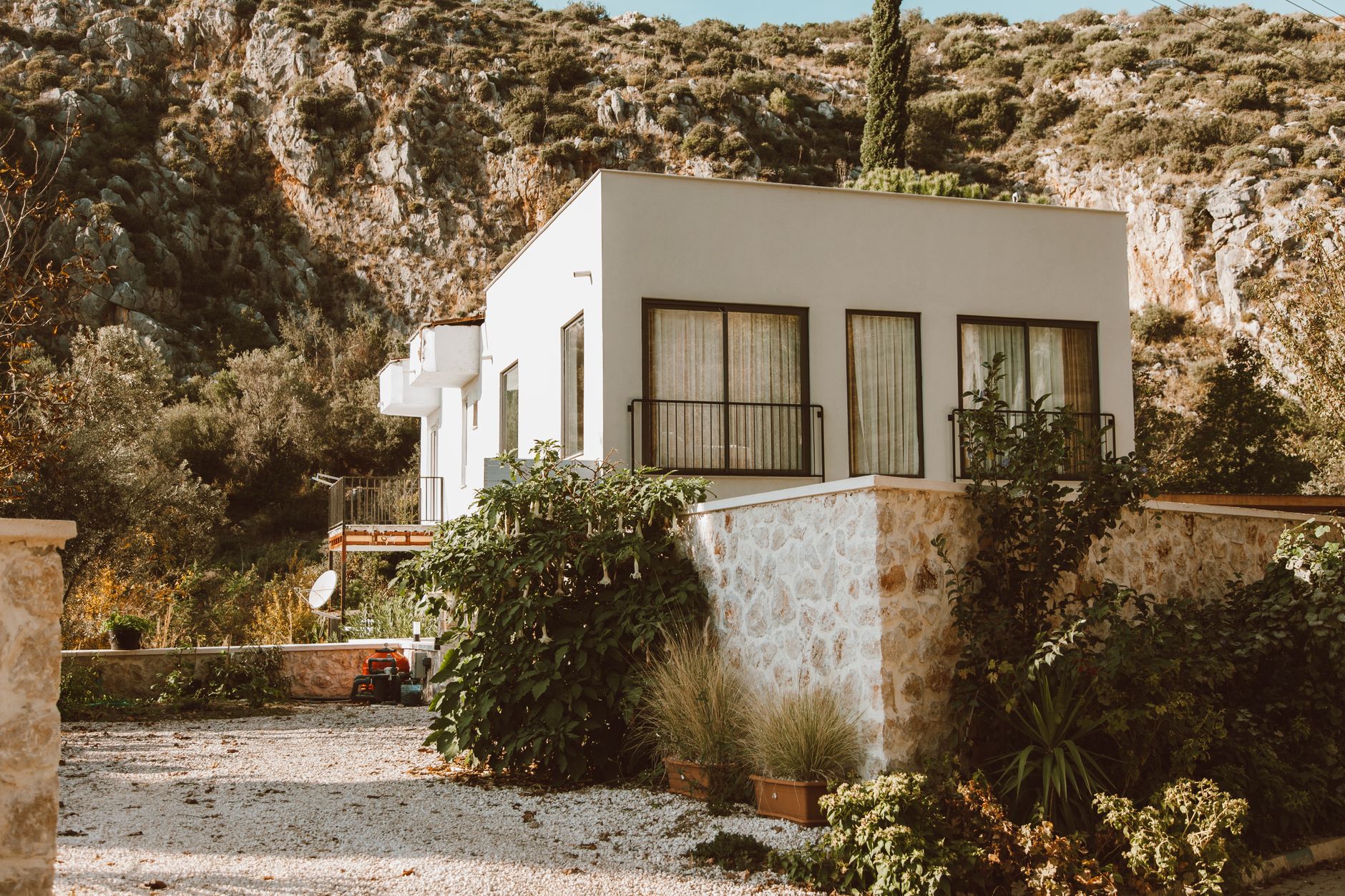
Consider the colors and textures in your environment when choosing white exterior house paint. If your home is surrounded by lush greenery, warmer whites with subtle yellow or beige undertones can create a harmonious blend. Coastal homes might suit cooler whites with blue or gray undertones that reflect the seaside atmosphere. Urban settings often call for brighter whites to stand out against brick, stone, or concrete. The right white tone can complement or contrast your surroundings to striking effect.
Popular White Paint Shades and Their Effects
Warm Whites vs. Cool Whites
Warm whites carry undertones of yellow, cream, or beige, lending warmth and softness to your home’s exterior. They are forgiving in natural light variations and pair well with earth-toned accents. Cool whites, infused with blue, gray, or green undertones, provide a crisp, modern feel that can make architectural features pop. Both options have their place, and the choice depends on the ambiance you wish to create.
Off-Whites and Creamy Tones
Off-whites and creamy shades offer subtle alternatives to stark white. These tones soften the exterior, reducing glare and adding depth. Creamy whites often evoke a vintage or cottage-style charm, ideal for homes seeking a cozy, welcoming appeal. They also tend to hide dirt and imperfections better than pure white, making them practical for busy households.
Bright Whites for Modern Homes
Bright, pure whites are favored for contemporary and minimalist designs. They provide a fresh, clean backdrop that highlights architectural innovation and sharp details. When paired with contrasting dark trims or bold accent colors, bright whites can create a striking visual impact. However, they require careful maintenance to prevent staining and discoloration due to their high visibility.
Paint Quality and Durability
Importance of Weather Resistance
High-quality white exterior paint must withstand the elements. Weather-resistant formulations protect against rain, wind, and temperature fluctuations, preventing peeling, cracking, and blistering. Investing in premium paint designed specifically for exteriors ensures your home maintains its beauty through seasonal changes and harsh conditions.
UV Protection and Fade Resistance
Sun exposure can cause white paint to yellow or fade over time. Paints with built-in UV blockers preserve the brightness and integrity of the finish. This feature is particularly important in sunny regions where intense sunlight accelerates wear. Choosing fade-resistant paint helps retain your home’s pristine look longer, reducing the need for frequent repainting.