ADVERTISEMENT
Home / Choosing the Best Materials for Durable Outdoor Home Railings

Choosing the Best Materials for Durable Outdoor Home Railings

Oct 02, 2026 Administrator Design Exterior
Choosing the Best Materials for Durable Outdoor Home Railings

Table of Contents

ADVERTISEMENT

Introduction to Outdoor Home Railings

Choosing the right material for your home railings outdoor is crucial to ensure safety, durability, and aesthetic appeal. With a wide range of options available, understanding the characteristics of each material can help you make an informed decision that suits your home’s style and withstands the elements.

Why Material Choice Matters for Outdoor Railings

Outdoor railings are exposed to varying weather conditions, from intense sun and rain to freezing temperatures. The material you select directly affects the railing’s longevity, maintenance needs, and overall look. A poor choice can lead to frequent repairs, fading, or even structural failure, while the right material can enhance your home’s value and curb appeal.

Key Factors in Selecting Outdoor Railing Materials

When evaluating materials, consider factors such as durability, maintenance requirements, resistance to corrosion or rot, installation complexity, and cost. Equally important is matching the material with your home’s architectural style and the climate in your region.

Wood Railings: Classic Appeal with Proper Care

Wood has long been a favored material for outdoor railings due to its natural warmth and timeless beauty. It blends well with traditional and rustic homes, offering versatile design options.

Types of Wood Suitable for Outdoor Railings

Not all wood types are equal when it comes to outdoor use. Cedar and redwood are popular choices because they naturally resist decay and insects. Pressure-treated pine is a more affordable option but requires regular maintenance to prevent rot. Tropical hardwoods like ipe and teak offer exceptional durability but come at a higher price point.

Maintenance Tips to Extend Wood Railing Life

Wood railings demand consistent upkeep to maintain their appearance and structural integrity. Applying a quality sealant or stain every one to three years protects against moisture and UV damage. Regular cleaning to remove dirt and mildew, along with prompt repairs of any cracks or splinters, can significantly extend the life of your wood railings.

Metal Railings: Strength and Modern Style

Metal railings offer robust strength combined with sleek designs that suit contemporary and industrial aesthetics. They require less maintenance than wood and can last for decades when properly treated.

Comparing Aluminum, Steel, and Wrought Iron

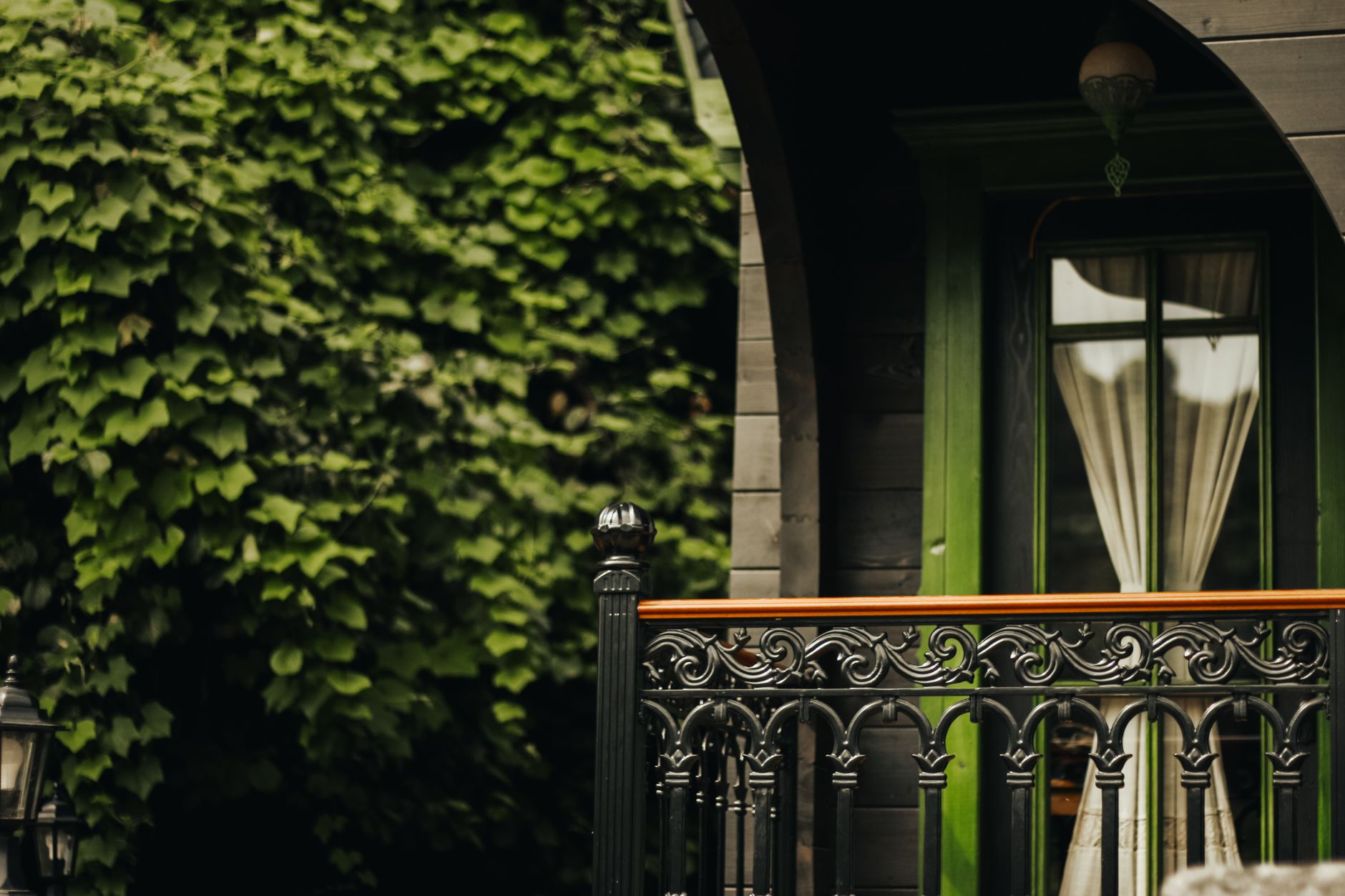
Aluminum railings are lightweight, rust-resistant, and easy to install, making them a popular choice for many homeowners. Steel railings provide superior strength and are often used in commercial settings but require protective coatings to resist corrosion. Wrought iron offers an ornate, classic look and exceptional durability, though it demands regular maintenance to prevent rust.

Corrosion Resistance and Finishing Techniques

To withstand outdoor conditions, metal railings often undergo powder coating or galvanization. Powder coating adds a durable, colorful finish that resists chipping and fading. Galvanization involves applying a zinc coating to steel or iron to prevent rusting, extending the lifespan of your railings significantly.

Composite and PVC Railings: Low Maintenance Options

For homeowners seeking the look of wood without the hassle of upkeep, composite and PVC railings provide excellent alternatives.

Benefits of Composite Materials for Outdoor Use

Composite railings combine wood fibers with plastic resins, creating a material that resists rot, insects, and warping. They typically require no painting or staining and maintain their color for years. Composite options offer a balance between durability and aesthetic appeal, mimicking the texture of natural wood while offering superior longevity.

ADVERTISEMENT

PVC Railings: Durability and Design Flexibility

PVC railings are entirely synthetic, making them impervious to moisture and insects. They are lightweight, easy to install, and come in a variety of styles and colors. PVC is also resistant to fading and cracking, making it a practical choice in harsh climates or areas with high humidity.

Glass and Cable Railings: Contemporary Choices

For a modern, open look, glass and cable railings have become increasingly popular. They enhance visibility and create a sense of spaciousness on decks and balconies.

Safety and Visibility Advantages

Glass railings provide unobstructed views while acting as a sturdy barrier. Tempered safety glass ensures strength and shatter resistance. Cable railings use tensioned stainless steel cables that offer safety without interrupting sightlines, ideal for homes overlooking scenic landscapes.

Material Durability and Weather Resistance

Glass panels are resistant to weathering but require regular cleaning to maintain clarity. Cable systems, typically made from stainless steel, resist rusting and can withstand strong winds and heavy use. Both options are designed to endure outdoor conditions while keeping maintenance minimal.

Making the Right Choice: Matching Material to Environment and Budget

Selecting the best material for your home railings outdoor involves weighing environmental factors alongside your budget and style preferences.

Evaluating Climate Impact on Railing Materials

In humid or coastal regions, materials resistant to moisture and salt corrosion, such as aluminum, stainless steel, or composites, perform best. In dry, sunny climates, UV resistance becomes a priority to prevent fading and cracking. Wood may be suitable in mild climates but requires more maintenance in extreme weather zones.

Balancing Cost, Longevity, and Aesthetics

While metal and composite railings often come with higher upfront costs, their low maintenance and long lifespan can make them more cost-effective over time. Wood offers a warm, natural look at a lower initial price but demands regular upkeep. Glass and cable railings provide a modern aesthetic but may involve specialized installation and cleaning. Assess your long-term goals and budget to find the ideal fit.

Conclusion

Choosing durable outdoor home railings is about balancing aesthetics, maintenance, durability, and cost. Whether you prefer the classic charm of wood, the strength of metal, the low maintenance of composites and PVC, or the sleek openness of glass and cable, understanding each material’s strengths and challenges will help you create a safe, attractive railing that enhances your outdoor living space for years to come.

FAQ

What is the most durable material for outdoor home railings?

Metal railings like aluminum and stainless steel generally offer the best durability due to their resistance to weather and minimal maintenance requirements.

How often should wood outdoor railings be maintained?

Wood railings should be inspected and treated with sealant or stain every 1 to 3 years to protect against moisture and sun damage.

Are composite railings suitable for all climates?

Yes, composite railings perform well in various climates as they resist rot, insect damage, and weathering better than traditional wood.

Tags:
Share:

Recommended Articles

ADVERTISEMENT

Comments (0)

No approved comments yet.

Leave a Comment