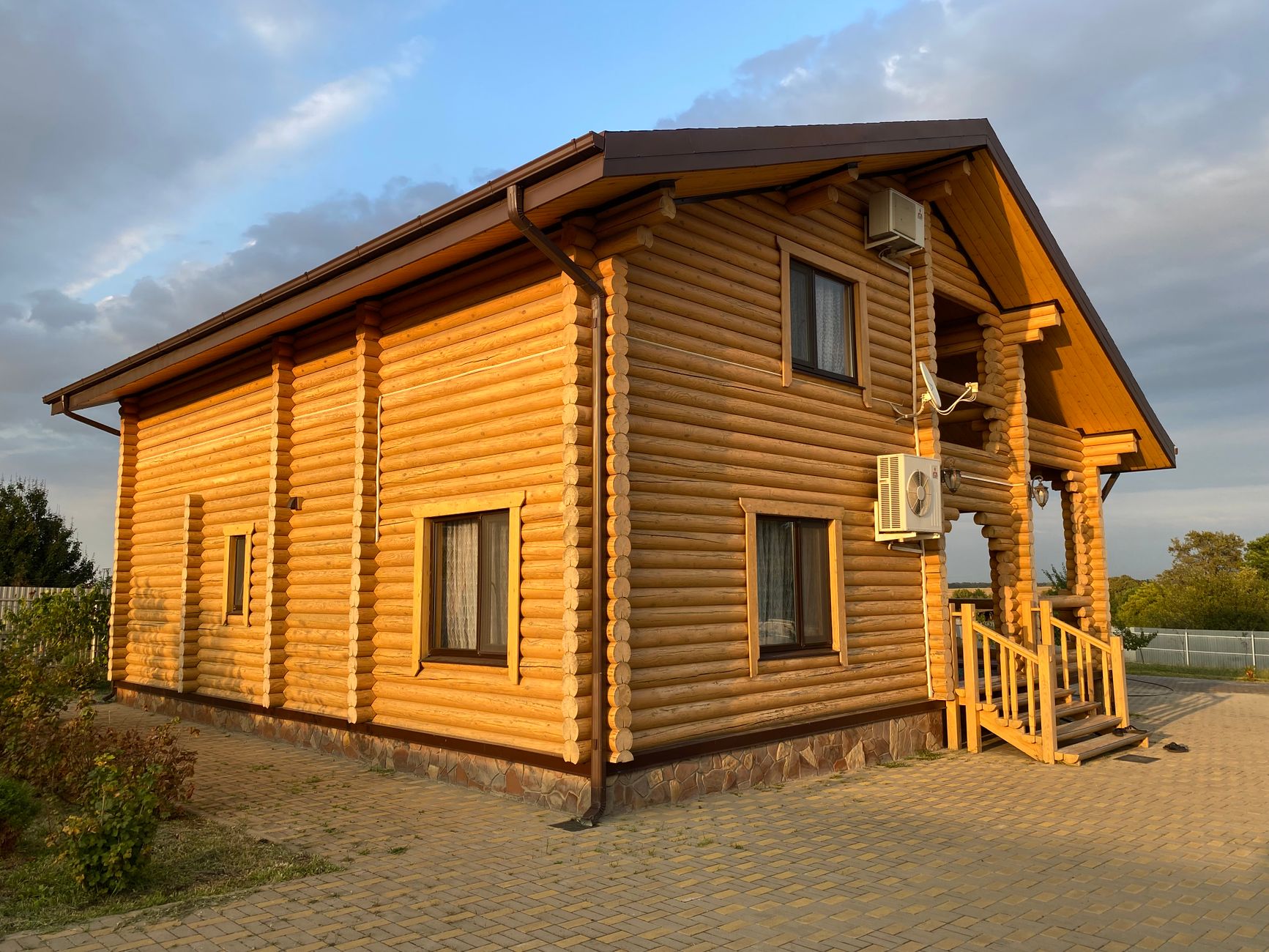
Introduction to Exterior Log Cabin Siding
Why Choosing the Right Siding Matters
When it comes to building or renovating a log cabin, selecting the right exterior siding is more than just an aesthetic choice. The siding you choose plays a crucial role in protecting your cabin from the elements, enhancing durability, and preserving the natural charm of your home. A well-chosen siding material can extend the lifespan of your cabin, reduce maintenance efforts, and increase its overall value.
Key Benefits of Quality Log Cabin Siding
Quality exterior siding offers a combination of protection and style. It guards against moisture, pests, and temperature fluctuations, while also contributing to the cabin’s curb appeal. Moreover, quality siding can improve energy efficiency by providing better insulation, helping you maintain comfortable indoor temperatures year-round. Investing in the right siding ensures your log cabin remains a cozy, welcoming retreat for years to come.
Types of Exterior Log Cabin Siding Materials
Natural Wood Siding: Pros and Cons
Natural wood siding is the classic choice for log cabins, cherished for its authentic appearance and rustic warmth. Popular wood species include cedar, pine, and redwood, each offering unique grain patterns and natural resistance to decay.
Pros: It delivers unmatched natural beauty, is easy to customize with stains or paints, and blends seamlessly with forested landscapes.
Cons: Wood siding requires regular maintenance such as sealing and staining to protect against moisture and UV damage. It is also susceptible to insect infestations and can warp or crack over time if not properly cared for.
Engineered Wood and Composite Options
Engineered wood and composite sidings are manufactured materials designed to mimic the appearance of natural wood while improving durability. These products typically combine wood fibers with resins and other additives to resist weathering and pests.
Pros: Enhanced resistance to rot, insects, and moisture, lower maintenance requirements, and often better dimensional stability than natural wood.
Cons: They may lack some of the authentic texture of real wood and can be more expensive upfront. Some composites may also have environmental concerns depending on their manufacturing process.
Vinyl and Other Alternative Materials
Vinyl siding and other synthetic materials offer a low-maintenance alternative. Vinyl is affordable, weather-resistant, and comes in a variety of colors and textures that can imitate wood grain.
Pros: Extremely durable, resistant to rot and insects, requires minimal upkeep, and is typically budget-friendly.
Cons: Can look less natural compared to wood, may fade or crack over time, and is less eco-friendly due to its plastic composition.
Durability Factors to Consider
Weather Resistance and Climate Suitability
Understanding your local climate is vital when choosing log cabin siding. Areas with heavy rain, snow, or intense sun demand materials that can withstand moisture, temperature swings, and UV exposure. Engineered wood and composite sidings often offer superior weather resistance in such conditions, while natural wood requires diligent maintenance.
Maintenance Requirements
The expected upkeep varies widely among siding types. Natural wood typically needs annual inspections and periodic sealing or staining to maintain its protective barrier. Engineered and vinyl products usually require less frequent care, often limited to cleaning and occasional repairs. Prioritize siding that fits your willingness and ability to maintain it over time.
Pest and Rot Protection
Wood-based sidings are vulnerable to pests like termites and carpenter ants, as well as fungal rot in damp environments. Treatments and sealants can help, but materials such as engineered wood with built-in preservatives or vinyl sidings inherently resist these issues. Selecting pest-resistant siding enhances your cabin’s longevity and reduces costly repairs.
Styling Your Log Cabin with the Right Siding
Color and Finish Trends
Current trends favor natural, earthy tones that complement the surrounding environment, such as warm browns, deep reds, and soft grays. Matte and semi-transparent finishes allow the wood grain to show through, maintaining an authentic look. For synthetic materials, realistic wood grain textures and subtle color variations add depth and character.
Matching Siding with Cabin Architecture
The siding should harmonize with your cabin’s architectural style, whether traditional, modern, or rustic. Horizontal lap siding emphasizes length and continuity, while vertical or board-and-batten styles offer a more contemporary or rustic appearance. Consider window trims, roofing materials, and landscaping to ensure a cohesive overall design.
Customizing for Unique Aesthetic Appeal
Custom finishes, such as hand-chiseled textures or mixed-material combinations, can elevate your cabin’s exterior. Adding accents like stone veneers or metal details alongside your siding creates visual interest and personalizes the look. Experimenting with contrasting colors or layering different siding profiles can also make your cabin stand out.
Installation Best Practices for Longevity
Professional vs. DIY Installation
While some siding materials may seem straightforward to install, professional installation is often worth the investment. Experienced contractors ensure the siding is properly fitted, sealed, and insulated, minimizing gaps that can lead to moisture intrusion or heat loss. DIY installation is feasible for those with carpentry skills, but errors can compromise performance and warranty coverage.
Common Installation Mistakes to Avoid
Improper nailing, inadequate sealing around windows and doors, and failure to install moisture barriers are frequent pitfalls. These mistakes can cause water infiltration, warping, and premature deterioration. Following manufacturer guidelines and using quality materials for flashing, trim, and insulation are critical steps for a durable siding job.
Sealing and Insulation Tips
Applying high-quality sealants and weatherproof membranes protects your log cabin from drafts and water damage. Proper insulation behind the siding helps regulate indoor temperatures and reduces energy costs. Pay special attention to corners, joints, and penetrations to ensure a continuous barrier against the elements.
Budgeting for Materials and Labor
Costs vary widely based on siding type, quality, and installation complexity. Natural wood siding tends to be moderately priced but can incur higher maintenance costs over time. Engineered wood and composites usually have a higher initial price but offer savings through durability and lower upkeep. Vinyl is generally the most budget-friendly upfront option.
Long-Term Savings Through Durability
Investing in high-quality siding may seem costly initially but can lead to significant savings due to reduced repairs, maintenance, and energy bills. Durable materials that resist weathering and pests reduce the risk of costly damage, ensuring your cabin stays protected with less effort.
Choosing Sustainable and Eco-Friendly Options
For environmentally conscious homeowners, look for sidings made from sustainably harvested wood or recycled materials. Some engineered wood products use eco-friendly binders and have certifications verifying their environmental impact. Avoid sidings with high volatile organic compounds (VOCs) or non-recyclable components to minimize your cabin’s ecological footprint.
Conclusion
Choosing the best exterior log cabin siding requires balancing durability, style, maintenance, and cost. Whether you prefer the timeless beauty of natural wood, the resilience of engineered composites, or the low upkeep of vinyl, understanding each material’s strengths and limitations will guide you toward a smart decision. Coupled with proper installation and care, the right siding will protect your cabin and enhance its charm for many seasons to come.
FAQ
How often should exterior log cabin siding be maintained?
Maintenance frequency depends on the material, but generally, natural wood siding should be inspected annually and treated or sealed every 3 to 5 years to preserve durability and appearance.
Can I install exterior log cabin siding myself?
While some siding types are DIY-friendly, proper installation is crucial for protection and longevity, so hiring a professional is recommended unless you have relevant experience.
What siding material offers the best resistance to harsh weather?
Engineered wood and composite sidings often provide superior weather resistance compared to natural wood, making them excellent choices for areas with extreme climates.