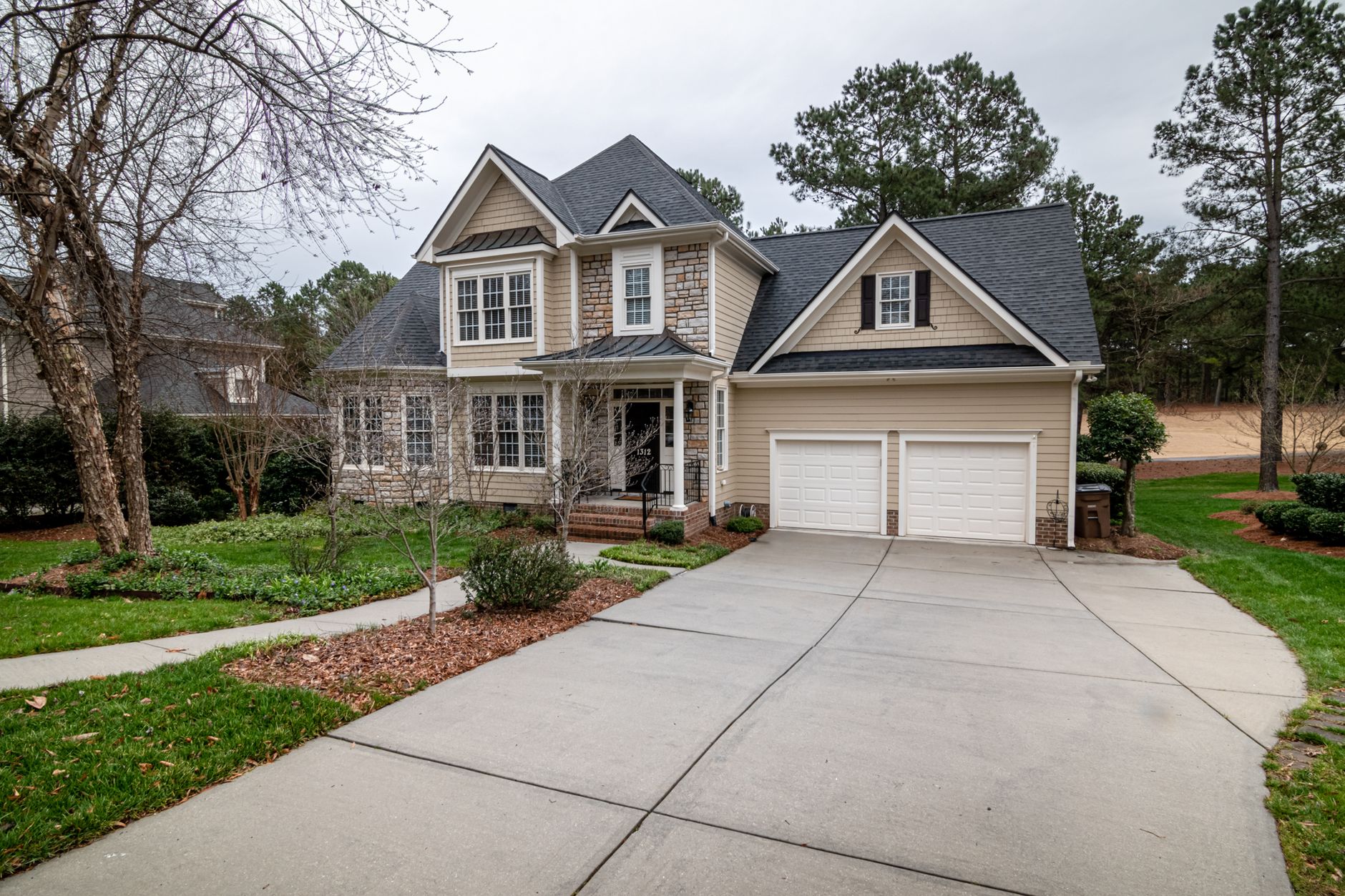
Introduction to Concrete House Siding
What is Concrete House Siding?
Concrete house siding is a type of exterior cladding made primarily from concrete mixtures designed to protect and decorate the outside of a home. Unlike traditional concrete used in foundations or driveways, concrete siding is formulated to be lighter, more versatile, and aesthetically appealing. It can come in panels, planks, or custom shapes, tailored to fit various architectural styles while providing a robust protective layer.
Why Choose Concrete Siding Over Traditional Materials?
Many homeowners look beyond conventional materials like vinyl, wood, or aluminum when seeking durability and design flexibility. Concrete siding offers a unique blend of strength, longevity, and low maintenance that often surpasses traditional options. It resists weather extremes, pests, and fire, while also allowing for customization in texture and color. This combination makes concrete siding an increasingly popular choice for modern and lasting home exteriors.
Key Benefits of Concrete House Siding
Durability and Weather Resistance
Concrete siding is exceptionally durable, standing up to harsh weather conditions such as heavy rain, wind, hail, and extreme temperature fluctuations. Unlike wood, it won’t rot, warp, or crack easily under stress. Additionally, concrete is less prone to damage from UV rays and won’t fade or deteriorate quickly, preserving its appearance for years.
Energy Efficiency and Insulation
One of the notable benefits of concrete siding is its natural insulating properties. The density of concrete helps regulate indoor temperatures by reducing heat transfer, keeping homes cooler in summer and warmer in winter. This thermal efficiency can contribute to lower energy consumption and utility bills, making it an eco-friendly choice for homeowners focused on sustainability.
Low Maintenance Requirements
Unlike some siding materials that require frequent painting, sealing, or replacement, concrete siding demands minimal upkeep. It resists mold, mildew, and insect infestation, eliminating the need for chemical treatments or regular cleaning routines. A simple wash every now and then is usually enough to maintain its fresh look, which saves time and money in the long run.
Fire and Pest Resistance
Concrete siding offers superior fire resistance, as it does not ignite or support combustion. This quality can enhance your home’s safety, especially in wildfire-prone areas. Additionally, concrete is impervious to pests like termites, carpenter ants, and rodents, which commonly damage wood siding. This resistance helps protect the structural integrity of your home.
Popular Styles and Finishes for Concrete Siding
Textured and Stamped Concrete Designs
Modern concrete siding can be stamped or textured to mimic the appearance of natural materials such as brick, stone, or intricate patterns. These custom textures add depth and character to the exterior, providing an upscale look without the high cost or maintenance of real stone or brick.
Smooth and Painted Finishes
For a sleek, contemporary aesthetic, smooth concrete siding panels are an excellent choice. These can be painted in a wide range of colors to complement any architectural style. The paint used on concrete siding is specially formulated to adhere well and withstand weather exposure, ensuring long-lasting color vibrancy.
Imitating Wood and Stone Aesthetics
Concrete siding manufacturers have perfected techniques to replicate the warm, natural look of wood grain or stone textures. This allows homeowners to enjoy the beauty of these traditional materials with the added benefits of concrete’s durability and low maintenance.
Custom Color Options
Concrete siding can be pigmented during manufacturing or painted afterward, offering limitless color possibilities. Whether you prefer subtle earth tones or bold, modern hues, concrete siding can be tailored to match your vision and enhance curb appeal.
Installation Process and Considerations
Preparing the Surface and Structural Requirements
Before installing concrete siding, it’s crucial to ensure the existing exterior walls are properly prepared. This may involve removing old siding, repairing any damage, and installing a moisture barrier to protect against water intrusion. Additionally, the structural framing must be evaluated to support the weight of concrete panels, which can be heavier than other siding materials.
Professional Installation vs. DIY
Due to the specialized tools and techniques required for handling and securing concrete siding, professional installation is highly recommended. Experienced contractors can ensure proper alignment, fastening, and sealing, which are critical for long-term performance. While DIY may be possible for smaller projects, the complexity and safety considerations often outweigh the benefits.