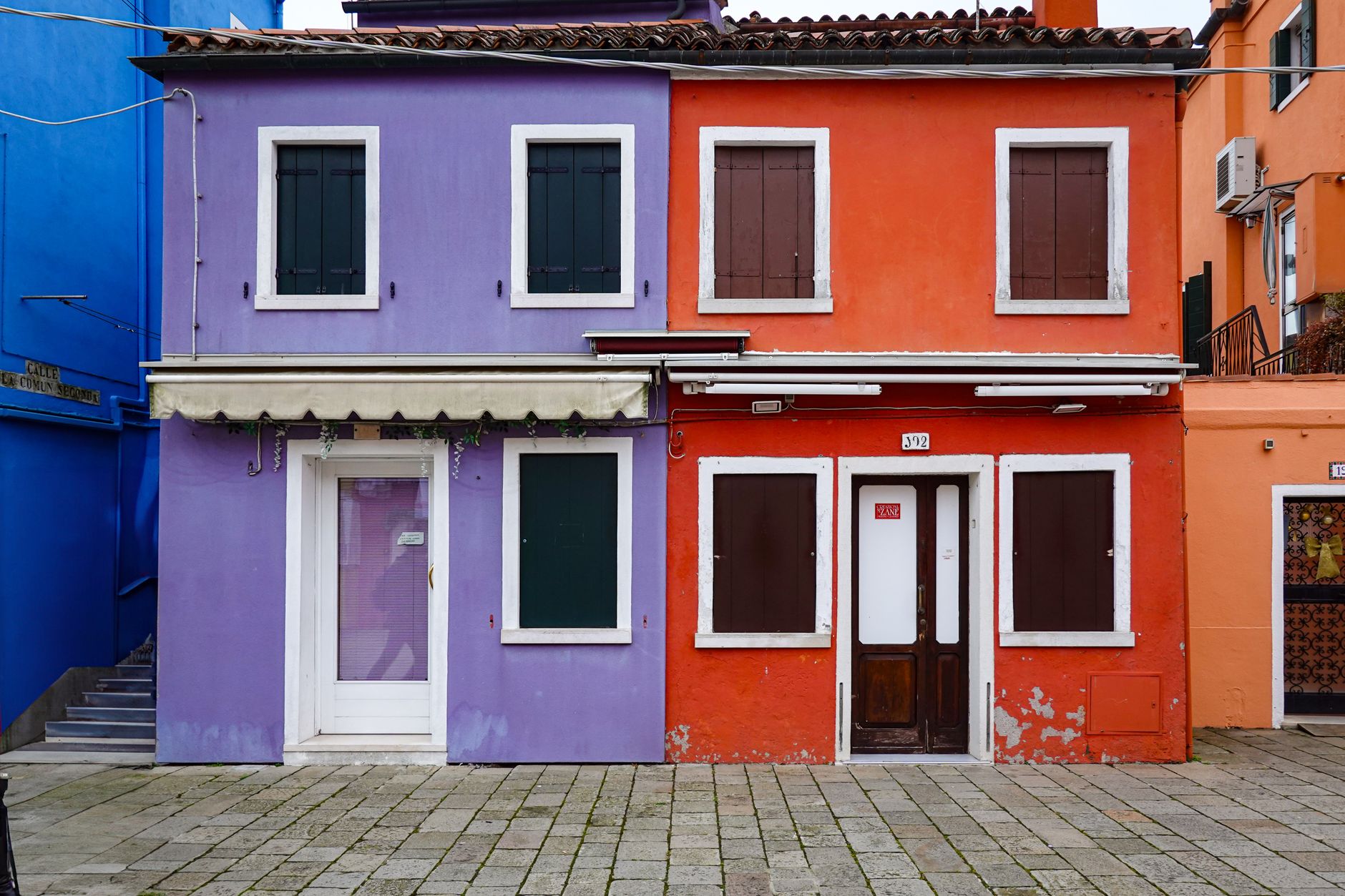
Introduction: Why House Paint Colours Matter
Choosing the right house paint colours is more than just a cosmetic decision—it sets the tone for your home’s character and can influence how you and others feel about the space. The colours you select affect both the curb appeal and the mood of your environment, making them a vital part of your home's overall aesthetic.
Beyond enhancing appearance, paint colours offer a unique way to express your personality. The exterior of your home acts as a canvas that tells your story to the world, reflecting your tastes, values, and style preferences.
Understand Your Personal Style and Preferences
Assess your lifestyle and colour inclinations
Before diving into paint swatches, take a moment to consider your lifestyle and the feelings you want your home to evoke. Are you drawn to calm, muted shades that suggest tranquility, or do brighter, energetic colours better mirror your dynamic spirit? Your daily habits, family life, and how you use your home should guide your palette choices.
Think about the colours you naturally gravitate toward in clothing, interior decor, and even art. These preferences can offer valuable clues to paint colours that will feel authentic and comfortable.
Gather inspiration from your favorite spaces and surroundings
Inspiration can come from many places—your favorite vacation spot, a beloved park, or even the natural landscape around your home. Notice which hues stand out and how they harmonize with their environment. Creating a mood board of images, paint chips, and fabric samples can help solidify your vision and keep your choices cohesive.
Explore Colour Psychology for Exterior Paint
Meanings behind popular house paint colours
Colours carry psychological associations that can subtly influence how your home is perceived. For example, blues often evoke calm and reliability, making them a popular choice for a welcoming, peaceful facade. Warm colours like reds and oranges convey energy and warmth, lending a vibrant and inviting appearance. Neutrals like beige, gray, and white suggest simplicity and timelessness, offering versatility and broad appeal.
Understanding these associations can help you select colours that not only look good but also resonate emotionally with you and your visitors.
How colours influence perception and curb appeal
Certain colours can alter the perceived size and shape of your house. Light colours tend to make structures appear larger and more open, while dark colours can create a cozy, intimate feel. Bold colours can make architectural features pop but may also attract more attention than subtle shades.
Strategically chosen colours can enhance your home's curb appeal by complementing landscaping, lighting, and architectural details, making your house stand out in your neighborhood for all the right reasons.
Consider Architectural Style and Neighborhood Context
Matching paint colours to your home's design
Every architectural style carries its own palette traditions. For instance, Victorian homes often look stunning in multiple contrasting colours that highlight ornate trims, while modern minimalist homes benefit from sleek, monochromatic schemes. Understanding the historical and design context of your home can guide you toward colours that amplify its unique features.
Balancing uniqueness with neighborhood harmony
While expressing personality is important, it’s also wise to consider the broader streetscape. Colours that clash sharply with neighboring homes can detract from overall neighborhood charm and potentially affect property values. Striking a balance between standing out and blending in ensures your house complements its surroundings without losing individuality.
Test Samples and Evaluate in Different Lighting
Choosing paint samples for accurate evaluation
Never rely solely on paint chips or digital images. Purchase small sample pots and apply them to different exterior sections of your home. This hands-on approach reveals how colours truly look on your surfaces and under various conditions.
Seeing colours at various times of day and weather conditions
Natural light changes throughout the day, affecting how colours appear. A shade that looks vibrant in morning sunlight may seem dull in the afternoon or overly harsh at night. Similarly, overcast or rainy days can mute colours, altering their impact. Observe your test patches in the morning, midday, evening, and different weather situations before making your final decision.
Finalizing Your Choice: Practical Tips and Common Mistakes
Combining accent and base colours effectively
A well-coordinated colour scheme typically includes a dominant base colour, complemented by one or two accent colours for trims, shutters, or doors. Accents create visual interest and highlight architectural details without overwhelming the overall design. Choose accents that harmonize rather than compete with the base colour to maintain balance.
Avoiding overused or trendy colours that date quickly
While it’s tempting to pick the latest trendy colour, these can quickly fall out of favor, making your home look outdated. Opt for timeless hues that have proven appeal and flexibility, ensuring your exterior remains attractive and relevant for years to come.
Conclusion
Selecting house paint colours that truly reflect your personality involves a thoughtful blend of self-reflection, understanding colour psychology, and respecting your home’s architecture and neighborhood. By testing samples and considering practical aspects, you can create an exterior that feels both personal and harmonious. The right colours will not only enhance your home’s beauty but also create a welcoming space that tells your unique story.
FAQ
How can I make sure the house paint colour reflects my personality?
Start by identifying colours that resonate with your style and mood, then test them on your home’s exterior in different lighting to see how they feel in real life.
Are there specific colours that suit certain architectural styles?
Yes, traditional styles often pair well with classic neutrals, while modern homes can handle bold or unconventional colours—consider your home’s design when selecting colours.
How many colours should I use on my house exterior?
Typically, using two to three complementary colours—such as a base colour, trim, and accent—creates visual interest without overwhelming the design.